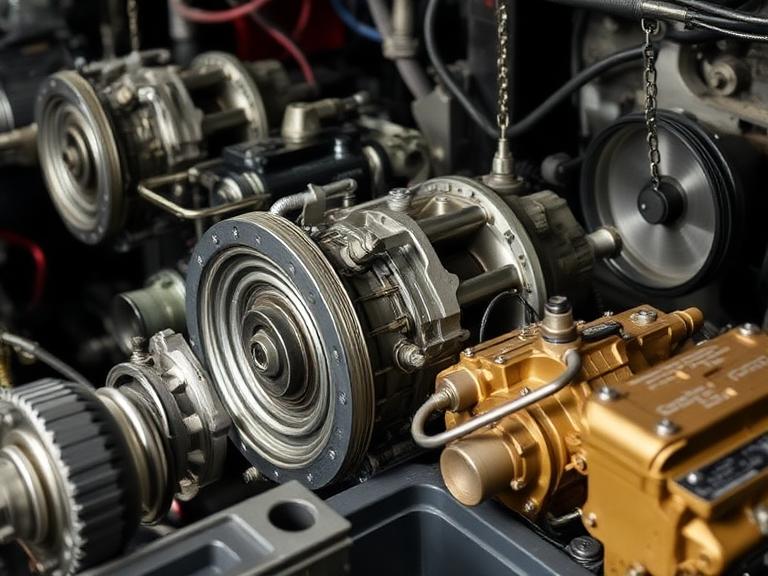
Manual vs. Automatic Transmissions perform the same function, but their maintenance requirements are different. Keeping your transmission in check can save you from costly repairs and extend the life of your vehicle.
A manual and an automatic will use engine power in much different ways, but they both do the same job. Manual transmission uses a clutch and gear system that is manually controlled by the driver. This makes it less complex mechanically and easy to maintain. Automatics use pressure, sensors, and electronic controls to shift gears – automatically. This complexity also makes automatics very susceptible to clean fluid, good cooling, and on-time servicing. Although clutches in manual transmissions will need replacement sooner or later, automatic transmissions tend to have a shorter lifespan and require periodic checking and maintenance to avoid excessive heating and grenade-style destruction.
This is to look into the primary disparities of caring for an automatic versus a manual transmission. It will help you to know what to watch out for and keep your transmission running smoothly.
Key Takeaways
- Manual transmissions require routine checks for clutch wear, fluid condition, and shifter adjustments to maintain smooth performance.
- This is because of the maintenance required for automatics: clean fluid, cooling, and filters.
- Failure to perform the recommended maintenance can result in major damage and increased operating costs in automatic transmission-equipped vehicles.
- Indicators such as slipping gears, odd sounds, or liquid leaking are early alarm bells that should be taken seriously to avoid a complete transmission breakdown.
- Preventive maintenance is the best way to prolong the life of your manual or automatic transmission.
1. Maintenance of Manual Transmissions
Even though they are celebrated for their simplicity, manual transmissions need attention too. Maintenance tasks include:
- Clutch wear: In a manual transmission, the clutch wears out over time due to friction. You may need to change the clutch if you find it slipping or if changing gears is a problem.
- Fluid check: Manual transmissions do not need fluid changes as often as automatic transmissions, but they still have a fluid level that should be regularly inspected. Old or dirty fluid can make grinding noises or rough shifts.
- Shifter Linkage Adjustments: If you have a manual shifter that feels sloppy or is hard to throw into gear, you may need to adjust things. Maintain your linkage in top condition and benefit from clean, precise gear changes.
One way to keep your manual transmission in its best condition is by providing regular checks on the fluid and clutch.
2. Maintenance of Automatic Transmissions
Automatic transmissions and CVTs have more complexity and require more maintenance. Here are some of the key steps:
- Fluid Changes: Automatic Transmissions rely on fluid to operate. Old, burned, or low fluid could cause damage and even lead to gear slippage or overheating.
- Transmission Fluid: You should check and replace your transmission fluid at the manufacturer’s recommended interval.
- Cooling System Maintenance: Automatic transmissions create a lot of heat. Keeping the cooling system on your auto in top shape is important. An automatic transmission problem is the most common result of overheating.
- Change out the transmission filters: Automatic Transmissions contain filters to strain out contaminants, and these need replacement like your car’s oil filter. Change the type of fluidTo ensure your transmission runs as effortlessly as possible and lasts even longer, replace the filter whenever you’re replacing fluids.
Not keeping up with the maintenance of automatic transmissions (i.e, cooling systems, fluid changes) can lead to some expensive problems and labor-intensive repairs.
Why Do Automatics Often Need More Attention?
Automatic transitions have a higher amount of inner structure ( torque converter, valve body, and an electronic sensor ). These components depend on transmission fluid not only for lubrication, but also for hydraulic pressure and cooling. If fluid is allowed to degrade or becomes contaminated, it may not act as quickly and provide the proper shift timing in order to extend the life of internal parts. That’s why regular fluid service and cooling system maintenance are particularly important for automatic vehicles.
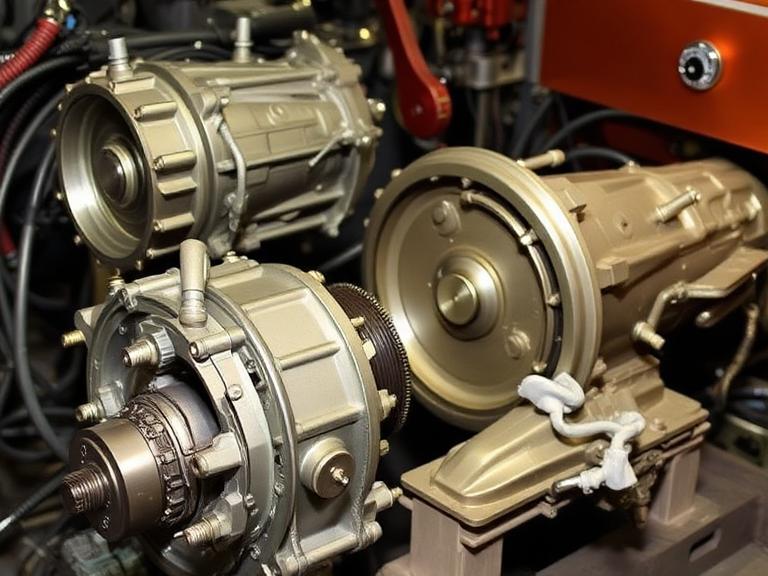
3. Signs of Transmission Problems
Whether your vehicle features a manual or automatic transmission, there are telltale signs of transmission problems.
- Difficulty shifting gears
- Slipping or delayed shifts
- Vibrating or noise while changing gears
- Transmission fluid leakage
- Overheating or a burning smell
The earlier the intervention occurs, the more serious future problems are averted.
Left unattended, these symptoms will eventually be followed by the failure of the transmission to shift at all. Transmission failure is a nightmare scenario for any car owner, and usually more costly than repair or maintenance early on would have been.
What Effects Does the Driving Conditions Have on Transmission Wear
Driving patterns and conditions are important factors contributing to a vehicle’s transmission life. Heavy stop-and-go traffic, frequent towing, aggressive acceleration, and driving in extreme heat are all examples of these types of driving conditions that can cause extra stress on transmissions. Automatics can suffer from heat buildup on maximum loads, while manuals are prone to more rapid clutch wear in stop-start city driving.
Regular Maintenance Is the Best Way to Protect Your Transmission
Keeping the transmission in your car well-maintained is essential to prevent any unnecessary and costly repairs. Vigorous Automotive Services provides professional transmission repair and service for both manual and automatic vehicles. Learn more about our San Antonio transmission rebuild services and let us help you get a longer life out of your vehicle.
Frequently Asked Questions
Which transmission is more high-maintenance, manual or automatic?
Automatics generally do need more maintenance, however, since they depend on clean fluid and cooling systems (with filters) to work as they should.
How frequently does transmission fluid need to be inspected or replaced?
Keep an eye on the manual transmission fluid and have the automatic transmission fluid inspected and replaced at factory-recommended intervals.
What are some of the initial symptoms of transmission failure?
Typical indications of problems with a transmission include slipping gears, inability to shift, vibrations, and unusual sounds (this often also indicates an engine problem). Causes: physical damage such as brake bearings, grinding gear teeth.
Can the way you drive determine how often to have your transmission checked?
Sure, aggressive driving, heavy towing loads, and stop-and-go traffic can wear out a gear set in either a manual or automatic transmission.
Should changing the transmission be done by a professional?
Yes, it’s that professional inspections and service can catch problems early and maintain the vehicle’s life span, so that both manual transmission vehicles and those with automatic transmissions last longer and perform more reliably.