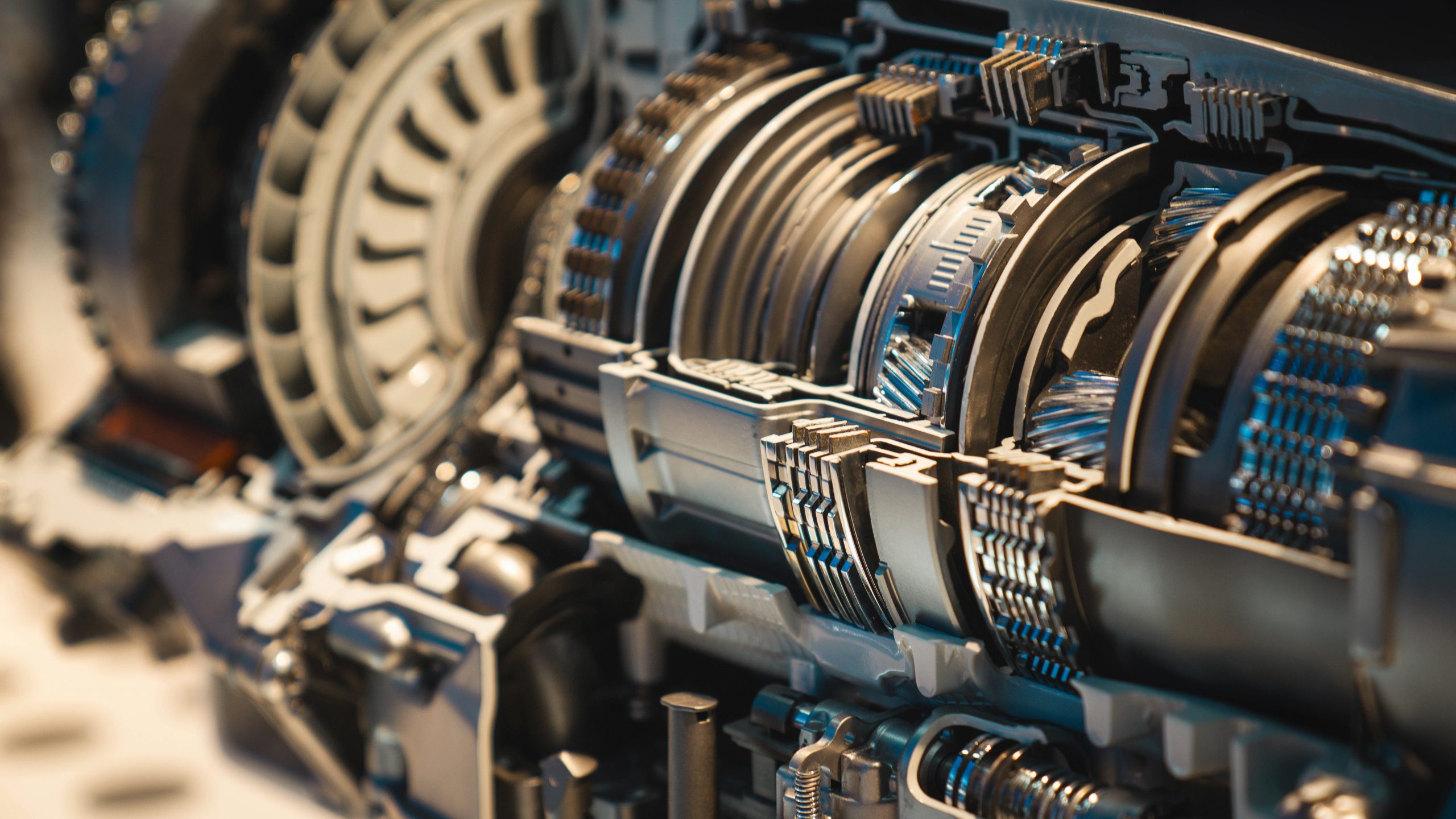
At Vigorous Automotive Services in San Antonio, TX, we’ve seen enough burnt fluid and shredded planetary gears to know that your vehicle’s transmission is the absolute backbone of its performance. It’s the gritty reality of automotive health; this complex assembly of hydraulics and steel is what translates raw engine torque into actual movement at the wheels. While the internal choreography of an automatic or manual unit might look like a black box of “magic” to most, keeping it alive in the Texas heat just takes the right technical discipline and a refusal to cut corners.
Key Takeaways
- Thermal Management: Heat is the #1 killer of transmission systems, making annual fluid checks mandatory in the San Antonio climate.
- Early Intervention: Addressing “soft” shifts or minor delays immediately prevents a $4,000 teardown later.
- Fluid Integrity: Using the exact OEM-spec synthetic fluid is non-negotiable for modern electronic pressure solenoids.
- Expert Diagnostics: Professional scanning tools identify electronic sensor failures before they manifest as mechanical hardware damage.
What Defines the Role of Modern Transmission Systems?
Transmission systems function as the mechanical intermediary that manages engine power to ensure your vehicle moves at variable speeds without exploding. Whether you’re rowing gears in a manual or letting a torque converter do the heavy lifting in an automatic, this unit is a fragile powerhouse. At Vigorous Automotive Services, we treat every unit with the technical respect it deserves, ensuring the “dance” of clutches and bands remains perfectly synchronized for the long haul.
The Strategic Framework for Gearbox Survival
- Thermal Evaluation & Fluid Analysis
- Pull the dipstick (if equipped) to check for a “burnt toast” aroma or dark discoloration.
- Analyze the viscosity to ensure the friction modifiers haven’t sheared down under high-stress towing or stop-and-go traffic.
- Electronic Diagnostic Sweeping
- Connect high-level scan tools to read Transmission Control Module (TCM) data.
- Monitor real-time pressure readings to ensure solenoids are firing within millisecond tolerances.
- Hydraulic Pressure Testing
- Check for internal “seal hardening” that leads to pressure drops and gear slippage.
- Verify that the cooling lines are free of debris from the San Antonio roads to maintain optimal operating temps.
Why Is Regular Maintenance the Key to Longevity?
Preventative maintenance is the only way to shield your wallet from the catastrophic failure of internal components. Our techs at Vigorous Automotive Services recommend a professional fluid test at least once every 12 months. Clean, high-quality fluid doesn’t just lubricate; it acts as a coolant and a hydraulic medium that allows for crisp, efficient shifting and prevents the dreaded “limp mode” that leaves you stranded on I-10.
Technical Execution & Support
- Friction Protection: Fresh fluid contains detergents that prevent varnish buildup on sensitive valve bodies.
- Efficiency Gains: Properly maintained transmission systems reduce parasitic power loss, leading to better MPG.
- Component Defense: Regular service keeps seals soft and prevents the internal “bleeding” of hydraulic pressure.
DIY vs. Master Craftsman Service
| Feature | Driveway “Drain & Fill” | Vigorous Professional Service |
| Fluid Recovery | Usually only replaces 30% of total fluid | Full exchange including torque converter |
| Filter Inspection | Often overlooked or messy | Full pan drop and magnet cleaning |
| Diagnostic Insight | Guesswork based on “feel” | Data-driven TCM health report |
| Warranty Safety | Hard to document for OEM claims | Full service record for resale value |
How Do You Recognize the Early Warning Signs of Failure?
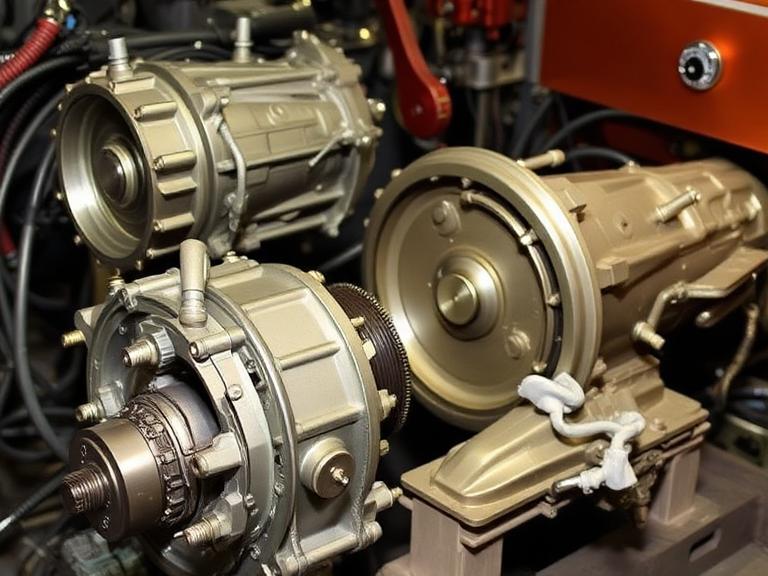
Catching a problem early means looking for grinding noises, slipping gears, or a noticeable delay when you drop the shifter into Drive. In San Antonio, our specific humidity and dust levels can wreak havoc on external sensors and cooling systems, causing minor glitches to escalate into hard mechanical failures. If the engagement feels “mushy” or you smell something sweet and burning, the clock is already ticking on your internal clutches.
Industry Grounding: Essential Entity Terms
- Torque Converter: A fluid coupling that connects the engine to the transmission, allowing the car to stop without stalling.
- Valve Body: The “brain” of the automatic system that directs hydraulic fluid to specific clutch packs.
- Planetary Gear Set: The complex set of gears that provides the different gear ratios needed for speed.
- TCM (Transmission Control Module): The dedicated computer that dictates when and how the vehicle shifts based on throttle input.
Expert Perspective
The Master’s Secret: Most “transmission failures” we see aren’t actually mechanical. They are often failed shift solenoids or a simple $20 speed sensor that’s been fouled by road grime. Don’t let a shady shop talk you into a full rebuild until you’ve had a proper electronic diagnostic. A little “grit” in the sensor shouldn’t cost you a whole new unit.
Putting Your Transmission Strategy into Motion
Keeping your vehicle on the road requires more than just hope; it requires a partnership with experts who know the San Antonio pavement. At Vigorous Automotive Services, we’re dedicated to giving you the straight talk on your vehicle’s health. Whether you need a simple fluid exchange or a deep-dive diagnostic on complex transmission systems, we have the tools and the “boots on the ground” experience to get it done right the first time.
Ready to protect your investment?
Call (210) 931-6809 to schedule your precision transmission inspection today.
Frequently Asked Questions
How often should I service my transmission?
Most local vehicles need a fluid check annually and a full service every 30,000 to 60,000 miles. San Antonio’s stop-and-go heat usually means you should lean toward the shorter interval to prevent fluid oxidation.
What are the most common signs of transmission trouble?
Keep an eye out for slipping (engine revs but car doesn’t move faster), “hunting” for gears, or audible grinding. A burning smell or red fluid leaks on your driveway are immediate red flags.
Can I drive my car if the transmission is acting up?
It’s a bad move. Limping with a failing transmission usually turns a repairable valve body issue into a total mechanical meltdown within just a few miles.
Does the type of transmission fluid really matter?
Absolutely. Modern units are designed with specific friction coefficients in mind. Using a “universal” fluid instead of the manufacturer-specified synthetic can lead to harsh shifts and premature wear.
Is maintaining my transmission actually worth the cost?
A fluid service is a drop in the bucket compared to a $4,000 replacement. Regular upkeep is the single best ROI you can get for your vehicle’s long-term survival.