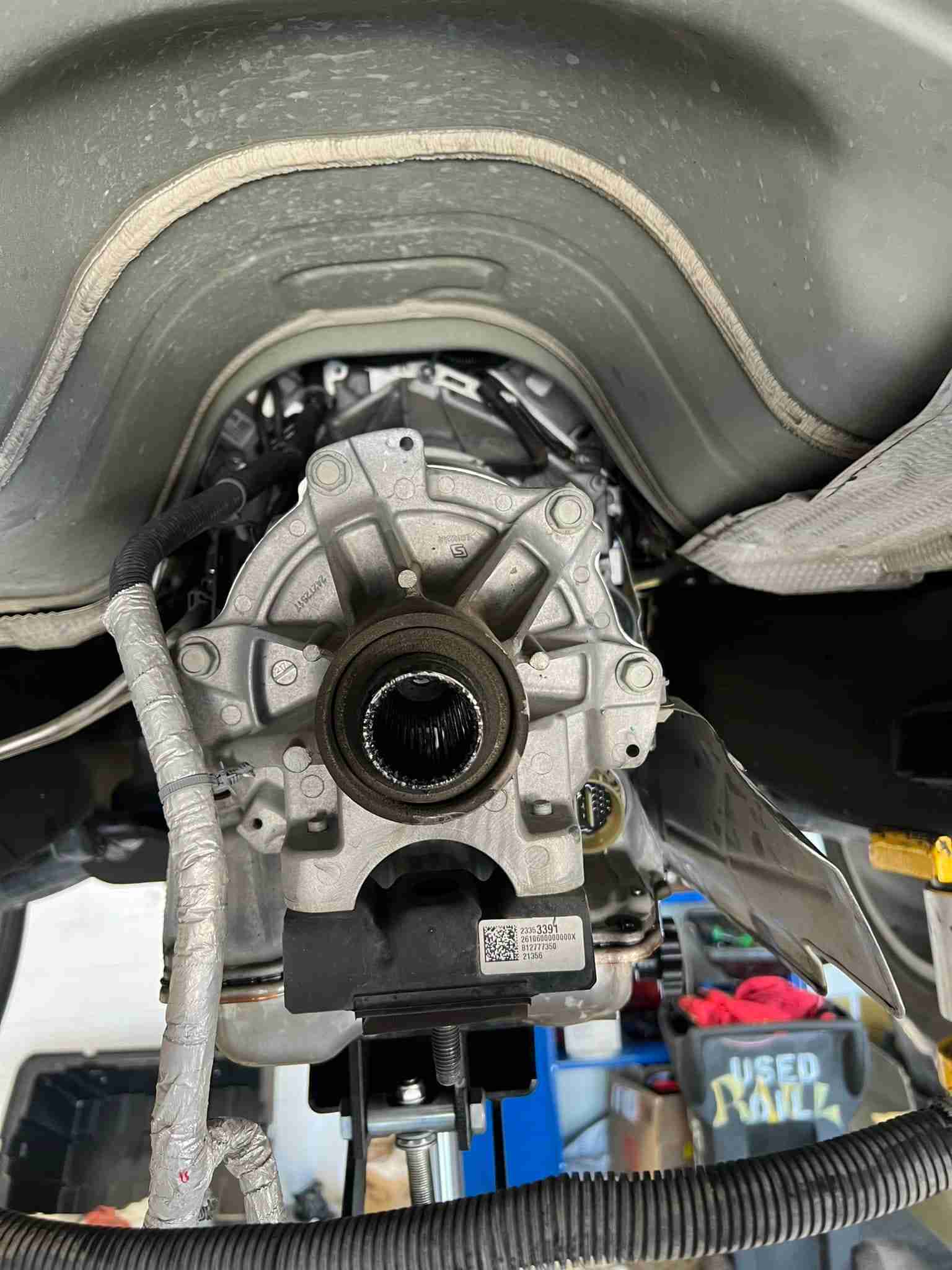
Transmission repair is essential to the performance and life of your vehicle. Leak, slipping gears, grinding noise, or delayed shifting are early warning signs that must not be neglected. OEM-recommended transmission fluid maintenance, coupled with adhering to service guidelines, can help prolong the life of your vehicle and also potentially avoid complete failure.
Your car has a long life ahead, which is without its transmission. Transmissions are responsible for transferring power from the motor to the gears to allow the vehicle to move at any speed.
Maintaining your transmission is important. Transmission problems can cause other vehicle issues if they deteriorate too much. Vigorous Automotive Services, your local San Antonio, Texas shop, is here to explain three things you should know about transmission repair.
Key Takeaways
- And if you need a full replacement, transmission repairs can become very costly, so it’s best to focus on your car’s overall health instead of the symptoms.
- Keeping up with the manufacturer’s scheduled transmission service can help prevent early wear, damage, and the need for replacement.
- Transmission fluid does not evaporate — an overheated transmission or low fluid can cause red fluid to drip if you are parked and the vehicle is running, and there is a pool of transmission fluid under your car, get it to a shop immediately.
- If you hear grinding, slippage, delayed shifting, or noises, these are all warning signs that should be addressed immediately.
- Diagnosing transmission problems early, with a reputable auto repair service center, can save you money and may prevent complete transmission failure.
It Can Be Costly to Replace a Transmission
The price of the transmission repair depends on what car you have. Is it a car or a bike? And if the transmission is replaced outright, that can be thousands of dollars. No part of that is a cost anyone wants to bear. Be sure to maintain your transmission according to the maintenance schedule and inspect it periodically. This could also save you money in the long run.
Follow the Instructions of Your Manufacturer to Change Your Transmission Fluid
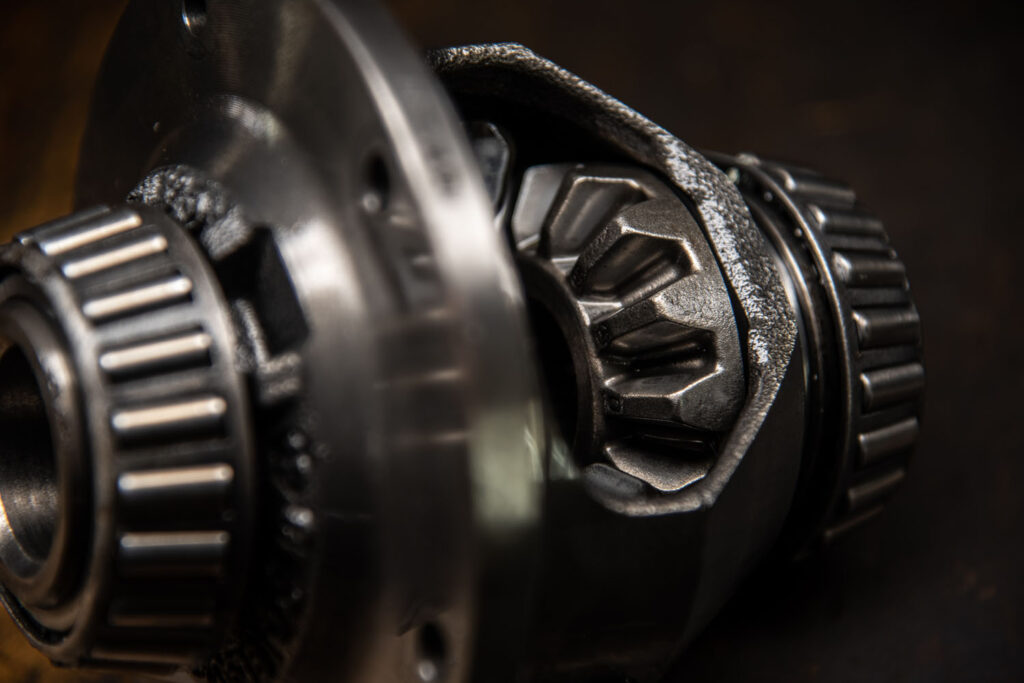
Transmission fluid is similar to brake fluid and motor oil in that it keeps your transmission’s mechanical components cool and lubricated. Small particles in the fluid can cause interior wear over time. You can prevent this by changing the transmission fluid.
You don’t need to replace your transmission fluid often, but make sure you do it on time to prevent avoidable damage. Most automakers will tell you when it’s time to change the transmission fluid. Some cars need it changed only once every 30,000 to 100,000 miles. But the sealed system in new models is supposed to be for the life of your vehicle.
Flushing your fluid periodically is another way to maintain its health. You should also not perform this service too frequently. Check with the manufacturer of your vehicle to determine if this is recommended. The power-flushing of the system could dislodge debris and sludge, which would clear the system. However, it could also lead to clogs later in your vehicle.
 Watch Out for Unusual Activity
Transmission fluid shouldn’t burn off. If you notice that the fluid level is too low, it’s possible that you may have a leak or damage. If you notice red fluid under your car, it might be a sign of a leak.
Weird noise or grinding, another one of the signs your transmission is going out, is if you hear a strange noise. This might occur while you are attempting to shift gears, or even when the car is in neutral. Gear-changes and shifts may slip or lag. These are all signs that your vehicle should be checked as soon as you can.
Protect Your Transmission Before Small Problems Get Worse
If you are experiencing anything unusual in terms of shifting, noises, or fluid leaking, it may be time for a professional inspection. The knowledgeable crew at Vigorous Automotive Services is happy to check the condition of your transmission and then advise you on your options; no sales pressure. Call (210) 931-6809 to make an appointment.
Frequently Asked Questions
How do I know if my transmission needs repair?
The most common symptoms are grinding noises, slipping gears, delayed or hard shifting, or even a total loss of forward movement with a warning light in your instrument panel that might tell you to ‘check transmission.’ Other signs would be red fluid underneath the vehicle. If you observe any of these symptoms, get your car checked sooner rather than later.
Is it safe to keep driving with transmission problems?
No, driving with a bad transmission will only do more damage to some of the internal parts and possibly cause complete transmission failure. It’s much cheaper to catch a problem early than have to replace the whole system.
How often should transmission fluid be changed?
You’ll want to replace your transmission fluid at the intervals recommended by your vehicle manufacturer (you can find this in the owner’s manual), but those guidelines are normally 30,000-100,000 miles. Some newer cars were manufactured with sealed systems. As always, consult your owner’s manual or a pro before flushing or changing fluid.
Why is transmission repair so expensive?
There are many precision parts in a transmission, making it one of the most complex systems in a car. Repairs can be complicated or time-consuming, and in some cases require expensive tools and professional labor. That most costly of repair jobs—complete replacement—can be headed off by a regimen of regular maintenance.
Where should I take my car for transmission repair in San Antonio?
If you took it to a shop like Vigorous Automotive Services, an upstanding local business, they would provide their professional diagnostics, honest advice, transmission service, and quality repair. Dealing with experienced technicians can help prolong the life of your vehicle and keep those repair bills in check.